LG refrigerator side by side models continue to dominate kitchen renovations in 2026, and for good reason. These workhorses deliver serious storage capacity without the footprint sprawl of French doors, making them ideal for mid-sized kitchens where every inch counts. Whether you’re upgrading from a top-freezer relic or planning a full kitchen remodel, understanding what sets LG’s lineup apart, and how to choose the right model for your space, can save you both money and frustration. This guide cuts through the marketing noise to cover the features, sizing, energy considerations, and installation realities you actually need to know.
Table of Contents
ToggleKey Takeaways
- LG side by side refrigerators offer superior storage accessibility with fresh and frozen items at eye level, plus linear compressor technology that runs quieter and more efficiently than conventional models.
- Smart features like ThinQ Wi-Fi connectivity and InstaView Door-in-Door technology reduce energy consumption by up to 5–10% while providing convenient remote monitoring and access to frequently used items.
- Choose capacity based on household size: 22–24 cu. ft. for 1–2 people, 25–26 cu. ft. for 3–4 people, and 27–28 cu. ft. for 5+ people or serious home cooks.
- Annual operating costs for an Energy Star LG side by side refrigerator average $50–$75 nationally, with potential savings of $50–$100 through state and municipal utility rebates.
- Proper installation requires measuring cabinet openings three times, ensuring 1-inch side and top clearance plus 2-inch rear ventilation, and hiring licensed professionals for water and electrical line connections to avoid costly future repairs.
Why Choose an LG Side by Side Refrigerator?
Side-by-side refrigerators put fresh food and frozen items at eye level, eliminating the knee-bending required by traditional freezer-below designs. LG’s models take this layout and layer in smart features, reliable compressor technology, and typically better build quality than budget competitors.
The dual vertical compartments mean you’re never digging through a bottom freezer drawer to find last week’s leftovers. If you cook frequently or stock up on bulk groceries, this layout keeps ingredients visible and accessible. LG also uses linear compressors in most of their current lineup, these run quieter and more efficiently than conventional reciprocating compressors, with fewer moving parts to fail.
Warranty coverage is another practical factor. LG offers a 10-year limited warranty on their linear compressors (parts only), which beats the industry standard of 1–5 years. This matters if you’re planning to stay in your home long-term or want to avoid the headache of replacing a compressor two years after installation.
Finally, resale value tends to hold better with LG appliances in the mid-to-upper price brackets. Real estate agents frequently note that stainless steel LG fridges photograph well and signal to buyers that the kitchen has been updated within the last decade.
Key Features That Set LG Apart
LG differentiates its side-by-side models with tech-forward features that go beyond basic refrigeration. Not every model includes every feature, so confirm specifics before you buy.
Smart Technology and Wi-Fi Connectivity
Many 2026 LG models include ThinQ Wi-Fi connectivity, letting you monitor and adjust temperatures remotely via smartphone. This isn’t just a gimmick, it’s useful if you’re out of town and need to adjust settings or check if the door’s been left open (kids, we’re looking at you).
You can also integrate LG refrigerators with Amazon Alexa or Google Assistant for voice commands. Practical use cases include setting express freeze before unloading groceries or checking the water filter’s remaining life without opening the manual.
Some models support Smart Diagnosis, which troubleshoots issues over the phone by playing diagnostic tones into your smartphone. While it won’t fix a compressor failure, it can save a service call if the problem’s a simple setting error or a door seal issue.
InstaView Door-in-Door Technology
LG’s InstaView feature uses a tinted glass panel that becomes transparent when you knock twice. This lets you see interior contents without opening the door, reducing cold air loss by up to 41% according to LG’s internal testing.
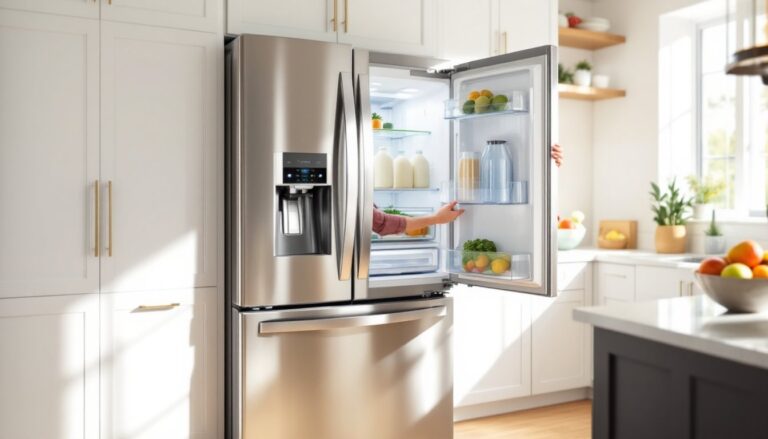
Behind that panel, the Door-in-Door compartment provides quick access to frequently grabbed items, milk, juice, condiments, without exposing the entire refrigerator interior. In testing by independent reviewers, this design genuinely reduces energy waste and keeps temps more stable, especially in households where the fridge gets opened 20+ times a day.
Not all side-by-side models include InstaView (it’s typically reserved for higher-end SKUs), but if you’re comparing LG to Samsung or Whirlpool in the same price range, this feature often tips the scale.
Choosing the Right Size and Capacity for Your Home
LG side by side refrigerators range from 22 to 28 cubic feet in total capacity. Here’s how to match size to your household without over- or under-buying.
For 1–2 people: A 22–24 cu. ft. model typically suffices unless you meal-prep heavily or entertain often. These fit well in galley kitchens or spaces with 33–36-inch cabinet openings.
For 3–4 people: Look at 25–26 cu. ft. models. You’ll have enough fridge space for weekly groceries plus leftovers, and freezer capacity for a couple of bulk meat purchases or frozen meal backups.
For 5+ people or serious home cooks: Go 27–28 cu. ft. Side-by-sides max out here: if you need more, consider a French door or even a standalone freezer.
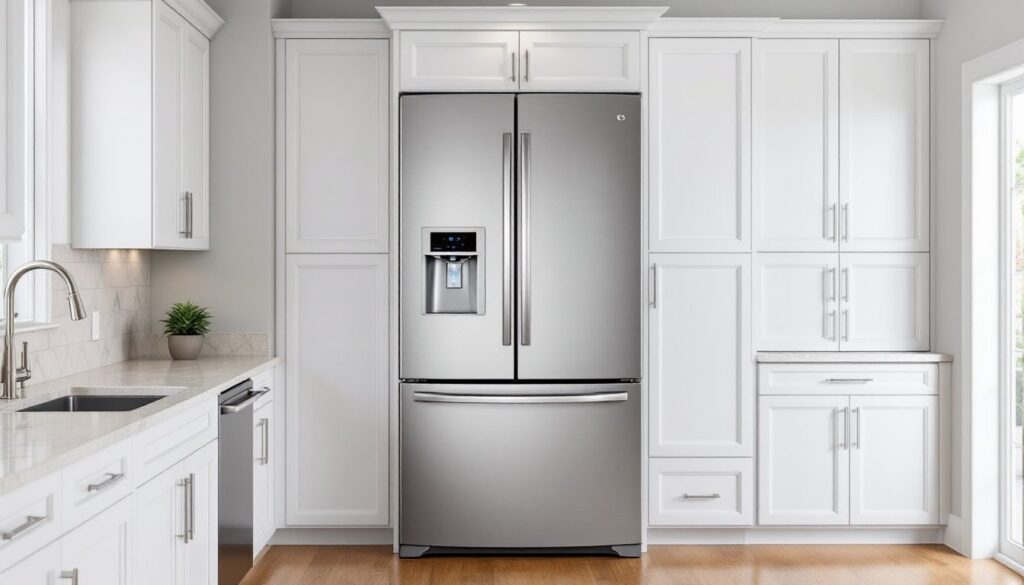
Width matters as much as capacity. Most LG side-by-sides are 35.75–36 inches wide, designed to fit standard 36-inch cabinet cutouts. Measure your actual opening between cabinets or walls, not the old fridge, and subtract at least 1 inch for clearance and door swing. Check depth, too. Counter-depth models (typically around 24–25 inches deep, excluding doors) sit flush with standard cabinetry but sacrifice 2–4 cu. ft. of interior space compared to standard-depth units.
Don’t forget door swing clearance. In tight kitchens, make sure cabinet pulls, islands, or adjacent walls won’t block the doors from opening fully. Many side-by-sides need 90-degree swing to access crisper drawers and bins.
Energy Efficiency and Cost Savings
Energy Star certification is standard across most 2026 LG side-by-side models, but real-world efficiency varies based on features and usage patterns.
Linear compressors are the main efficiency driver. They adjust cooling output in increments rather than cycling on/off like traditional compressors, reducing energy spikes. Expect annual operating costs of $50–$75 for a typical 25 cu. ft. Energy Star model, based on the national average electricity rate of $0.14/kWh as of early 2026.
Door-in-Door and InstaView features can shave another 5–10% off energy use if your household makes frequent fridge trips. Independent testing highlighted in reviews of best side-by-side refrigerators shows measurable savings over a year, especially in homes with kids or shift workers who access the fridge at all hours.
LED lighting is now standard, using about 75% less energy than incandescent bulbs and lasting far longer. Some LG models also include vacation mode, which reduces cooling when you’re away for extended periods, handy if you travel frequently.
One gotcha: ice makers and water dispensers add roughly $10–$15 annually to operating costs due to the heater cycle that prevents freezing in the dispenser lines. If you rarely use ice, consider a model without a dispenser to maximize efficiency.
Utility rebates are worth checking. Many states and municipalities offer $50–$100 rebates for Energy Star appliances purchased in 2026, especially if you’re replacing a unit built before 2010. Visit your local utility’s website or ask at point of purchase.
Installation Tips and Kitchen Space Planning
Installing an LG side by side refrigerator is straightforward, but planning ahead prevents expensive corrections.
Measure three times: Record the height, width, and depth of your cabinet opening. Then measure your doorways and hallways from the garage or front door to the kitchen. Most side-by-sides are 69–71 inches tall and 35–36 inches wide: tight turns or narrow doors can make delivery impossible without removing doors or hinges. LG publishes exact dimensions (including door handles) in their spec sheets, download the PDF for your model before you buy.
Electrical and water lines: Side-by-sides with ice makers and water dispensers need a dedicated 115V grounded outlet (typically 15-amp circuit) and a 1/4-inch water supply line. The outlet should be accessible behind or beside the fridge, not directly behind where the unit sits. If you’re installing in a new location, hire a licensed electrician and plumber, running new lines isn’t a DIY job for most homeowners, and improper water connections can cause leaks that rot subfloors.
Leveling is critical. Use a 4-foot level and adjust the front leveling legs until the fridge tilts slightly backward (about 1/4 inch over the depth). This ensures doors close automatically and prevents pooling in the drain pan. Most LG models have adjustable legs accessible from the front bottom corners: turn clockwise to raise, counterclockwise to lower.
Clearance for ventilation: Leave at least 1 inch on the sides and top, and 2 inches in back for airflow. Blocking vents forces the compressor to work harder, shortening its lifespan and voiding warranty coverage in some cases.
Anti-tip considerations: While not legally required like they are for ranges, some installers recommend using the included anti-tip bracket if you have young kids who might climb shelves. LG includes these in the box for most models.
If you’re doing a full kitchen renovation and considering layout changes, design experts writing for kitchen planning resources often recommend placing the fridge at the end of a run, not between wall cabinets, to simplify future replacements and avoid custom panel work.
Finally, let it rest. If the fridge was transported on its side (not recommended, but it happens), let it stand upright for 4–6 hours before plugging in. This allows compressor oil to settle back into the reservoir. Check your model’s installation manual for manufacturer-specific wait times.
Disposal of your old unit: Many retailers offer haul-away services for $25–$50. Confirm this before delivery day. If you’re DIYing disposal, know that refrigerators contain refrigerants that require certified technicians to recover under EPA regulations. Don’t just haul it to the curb or dump, contact your municipal waste authority for proper recycling options.