
Streaky windows and smudged mirrors don’t just look bad, they block natural light and make a clean home feel dingy. But walk down the cleaning aisle and you’ll face dozens of glass cleaner sprays, each promising crystal-clear results. Some deliver. Most leave residue or require three passes to get the job done.
The right glass cleaner spray cuts through grime in one wipe, dries fast, and doesn’t leave behind that hazy film. Whether you’re prepping windows for a home showing, maintaining storefront glass, or just tired of fingerprints on your shower door, understanding what actually works, and why, saves time and frustration. This guide breaks down formulations, compares top products, walks through DIY recipes, and covers the technique that prevents streaks in the first place.
Table of Contents
ToggleKey Takeaways
- Ammonia-based glass cleaner spray excels at cutting through heavy grime and oil buildup, while alcohol-based formulas dry faster and work better on tinted windows and sensitive surfaces.
- The technique of spraying the cloth instead of the glass, wiping in one direction, and buffing dry prevents streaks and ensures crystal-clear results regardless of the product used.
- DIY glass cleaner spray costs just pennies to make with distilled water, vinegar, alcohol, or ammonia, and outperforms many store-bought options for routine cleaning tasks.
- Microfiber cloths are essential for streak-free glass cleaning since paper towels leave fibers behind and sponges trap dirt that spreads onto freshly cleaned surfaces.
- Glass cleaner spray extends beyond windows to clean stainless steel appliances, tile, countertops, jewelry, car dashboards, and chrome fixtures, making it one of the most versatile household cleaning tools.
- Avoid cleaning in direct sunlight, never mix ammonia with bleach or other products, and always work in well-ventilated areas since ammonia and alcohol fumes can irritate eyes and lungs.
What Makes an Effective Glass Cleaner Spray?
Not all glass cleaners are built the same. The formula determines how well it cuts grease, how fast it evaporates, and whether it leaves streaks.
Ammonia-based formulas are the workhorses for heavily soiled glass. Ammonia breaks down oils, smoke residue, and fingerprints quickly. It evaporates fast, which reduces streaking, but the fumes are harsh, and it’s not safe for tinted windows or certain coatings. Use it in well-ventilated spaces and never mix it with bleach.
Alcohol-based cleaners (usually isopropyl alcohol) evaporate even faster than ammonia. They’re excellent for spot-cleaning mirrors and interior glass without leaving residue. The downside? They can dry out rubber seals on car windows over time and aren’t as aggressive on baked-on grime.
Vinegar-based solutions are gentler and odor-free once dry. White vinegar dissolves mineral deposits and light soil effectively. It’s safe for most surfaces, including tinted glass, but requires more elbow grease on greasy buildup.
Surfactants are the unsung heroes in any window glass cleaner. These compounds reduce surface tension, allowing the liquid to spread evenly and lift dirt without streaking. Look for formulas listing non-ionic surfactants, they rinse clean and don’t attract dust.
Avoid products with dyes, heavy fragrances, or waxes. Dyes add no cleaning power and can stain porous surfaces near the glass. Waxes promise shine but often leave a hazy film that attracts dust faster than a clean surface would.
Top Store-Bought Glass Cleaner Sprays for Every Need
Choosing the right product depends on the job, the surface, and whether you’re sensitive to fumes.
For heavy-duty cleaning: Ammonia-based sprays like Windex Original Blue cut through kitchen grease, nicotine film, and road grime on car windows. They’re affordable (typically under $4 per 23 oz bottle) and widely available. Use these for exterior windows, garage glass, and any surface with serious buildup. Recent lab testing on window cleaners highlights formulas that remove grime without multiple passes.
For tinted windows and electronics: Alcohol-based or ammonia-free formulas prevent damage to window tint, monitor coatings, and touchscreen surfaces. Invisible Glass is a popular choice, it’s streak-free and safe for car interiors. Expect to pay around $5–$6 for a 22 oz bottle.
For eco-conscious users: Plant-based formulas like Seventh Generation or Method use biodegradable surfactants and skip the ammonia. They work well on lightly soiled glass but struggle with heavy grease. Most run $4–$5 per bottle and smell pleasant without synthetic fragrance.
For outdoor use: Hose-end glass cleaners (like Windex Outdoor) attach to a garden hose and spray foam that rinses away with water. They’re a time-saver for second-story windows, patio doors, and siding. A single bottle treats roughly 400 square feet of glass. Cost is higher, around $10 per bottle, but the convenience is hard to beat if you’re cleaning a lot of exterior glass.
Multi-surface vs. glass-only: Multi-surface cleaners are convenient but often contain additives that leave residue on glass. Stick with dedicated glass formulas for windows and mirrors.
How to Make Your Own DIY Glass Cleaner Spray
Homemade glass cleaner costs pennies per batch and works as well as most store-bought options for routine cleaning.
Basic vinegar formula:
- 1 cup distilled water
- 1 cup white vinegar (5% acidity)
- 1 tablespoon cornstarch (optional, helps prevent streaking)
Mix in a spray bottle. Shake before each use if you add cornstarch. This formula handles fingerprints, light dust, and water spots. It’s safe for tinted glass and won’t harm window seals.
Alcohol-based formula for faster drying:
- 1 cup distilled water
- 1 cup isopropyl alcohol (70% or higher)
- 1 tablespoon white vinegar
This evaporates quickly and works well in humid conditions where vinegar-only solutions dry slowly. The alcohol boosts grease-cutting power without ammonia fumes.
Heavy-duty ammonia formula:
- 2 cups distilled water
- 1/4 cup rubbing alcohol
- 1/4 cup ammonia
- 1 teaspoon dish soap (blue Dawn works well)
Use this for outdoor windows, garage glass, or any surface with serious grime. Wear gloves and safety goggles, ammonia is corrosive. Mix in a well-ventilated area and label the bottle clearly. Don’t use on tinted glass or near painted surfaces.
Why distilled water matters: Tap water contains minerals that leave spots as it dries. Distilled water eliminates that problem and extends the life of spray nozzles by preventing mineral buildup.
Store DIY cleaners in repurposed spray bottles (thoroughly rinsed) or buy empty bottles at hardware stores for around $2 each. Most homemade formulas stay effective for 2–3 months.
Step-by-Step: The Right Way to Clean Glass Surfaces
Technique matters more than the product. Even the best glass cleaner spray fails if applied incorrectly.
Step 1: Remove loose dust and debris
Use a dry microfiber cloth or a handheld vacuum with a brush attachment. Spraying cleaner onto dusty glass turns dirt into muddy streaks.
Step 2: Choose the right cloth
Microfiber cloths are the gold standard, they’re lint-free and absorbent. Avoid paper towels, which leave fibers behind. If you prefer paper, use crumpled newspaper (black-and-white only: colored ink can transfer). Surgical huck towels, sold in auto detailing sections, are another lint-free option.
Step 3: Spray the cloth, not the glass
Spraying directly onto vertical glass causes drips that run into frames and leave streaks. Mist the cloth until damp, then wipe. For large exterior windows, you can spray the glass, just work quickly before it dries.
Step 4: Wipe in one direction
Use horizontal strokes on one side of the glass and vertical strokes on the other. If streaks appear, you’ll know which side needs a second pass. Work from top to bottom to catch drips.
Step 5: Buff with a dry cloth
Immediately after wiping, use a clean, dry microfiber cloth to buff away any remaining moisture. This step eliminates streaks and brings out the shine.
Weather and timing tips: Clean glass on overcast days or when windows are in shade. Direct sunlight dries cleaner too fast, leaving streaks before you can buff. Avoid cleaning when temperatures drop below 50°F, most formulas don’t work well in cold conditions.
For high or hard-to-reach windows: Use an extension pole with a microfiber mop head or invest in a squeegee with a pivoting head. Always wear safety goggles when cleaning overhead glass to keep spray out of your eyes.
Common Glass Cleaning Mistakes to Avoid
Small errors multiply into frustration. Here’s what trips up most DIYers.
Using dirty rags or sponges: Even a slightly soiled cloth spreads grime instead of removing it. Wash microfiber cloths after every use and let them air-dry completely. Never use fabric softener, it leaves a residue that causes streaking.
Over-spraying the glass: More cleaner doesn’t mean better results. Excess liquid pools in corners, drips into frames, and takes longer to dry. Two or three spritzes on the cloth is enough for most windows.
Ignoring the frames and sills: Dirt and cleaner residue on frames transfer back onto freshly cleaned glass. Wipe down vinyl, wood, or aluminum frames with a damp cloth before tackling the glass. For painted wood frames, avoid ammonia-based cleaners, they can dull the finish.
Cleaning in direct sun: The cleaner evaporates before you finish wiping, leaving streaks and a hazy film. Plan your cleaning schedule around shade.
Mixing products: Combining ammonia and vinegar does nothing useful, they neutralize each other. Mixing ammonia with any chlorine-based product creates toxic fumes. Stick to one formula per job.
Skipping safety gear: Ammonia and alcohol fumes irritate eyes and lungs. Open windows, turn on fans, and wear nitrile gloves to protect your hands from prolonged chemical exposure. If you’re cleaning high windows, use a sturdy ladder with rubberized feet and have a second person spot you.
For homeowners seeking more simple cleaning strategies, avoiding these missteps makes every job faster and less frustrating.
Beyond Windows: Surprising Uses for Glass Cleaner Spray
Glass cleaner spray isn’t just for windows. Its fast-drying, streak-free formula tackles jobs across the house.
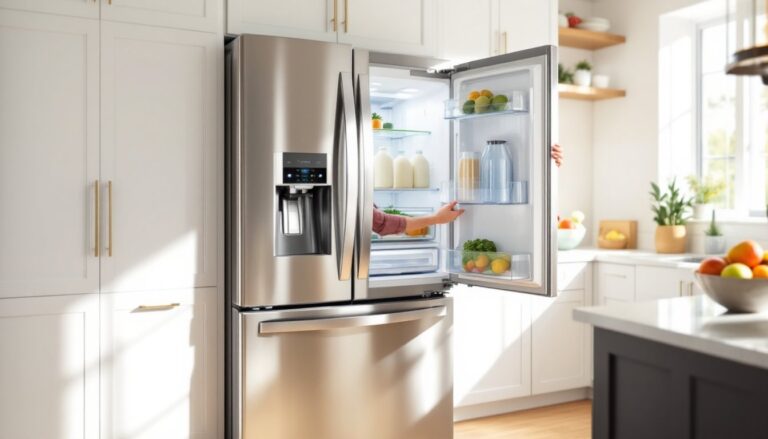
Stainless steel appliances: Spray onto a microfiber cloth and wipe with the grain to remove fingerprints and water spots. Buff dry for a polished finish. Ammonia-based formulas work especially well on greasy range hoods.
Tile and grout: Alcohol or ammonia formulas cut soap scum on ceramic tile. Spray, let sit for 30 seconds, then scrub with a nylon brush. This works for shower walls, backsplashes, and bathroom floors.
Countertops (non-porous only): Granite, quartz, and laminate wipe clean with glass cleaner. Avoid using it on marble or other natural stone, acidic vinegar can etch the surface.
Jewelry: Spray ammonia-based cleaner into a small bowl, drop in rings or earrings, and let soak for 5 minutes. Scrub gently with a soft toothbrush and rinse under warm water. This method works for gold, platinum, and most gemstones (but skip pearls and opals).
Car dashboards and plastic trim: Alcohol-based glass cleaner removes dust and fingerprints without leaving an oily film. Spray onto a cloth, never directly onto the dash, as overspray can damage electronics.
Computer and phone screens: Use an ammonia-free, alcohol-based formula. Spray lightly onto a microfiber cloth and wipe gently. Never spray liquid directly onto electronics.
Chrome fixtures: Bathroom and kitchen faucets, showerheads, and towel bars shine up quickly with glass cleaner. It dissolves water spots and soap buildup better than all-purpose cleaners.
Many home improvement resources highlight these alternate uses, expanding the value of a single product across multiple cleaning tasks.
Conclusion
Glass cleaner spray is one of the simplest, most versatile tools in any DIYer’s arsenal, but only if you match the formula to the job and use the right technique. Ammonia for heavy grime, alcohol for quick-drying jobs, and vinegar for routine maintenance cover nearly every situation. Skip the paper towels, work in the shade, and always buff dry. Whether you’re mixing your own formula or grabbing a bottle off the shelf, these fundamentals deliver streak-free results every time.