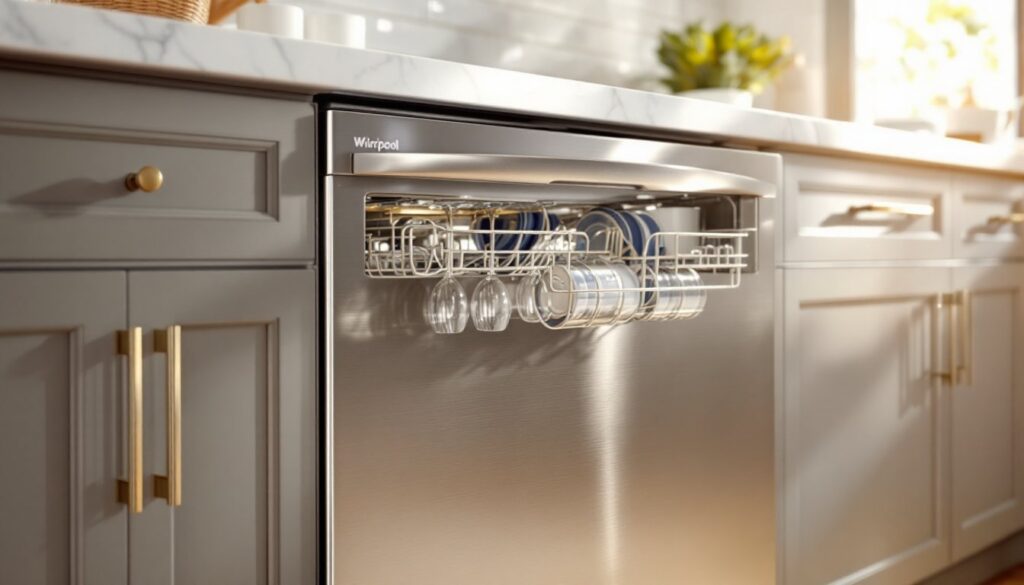
If you’re evaluating dishwashers for a kitchen remodel or replacing an aging unit, the Whirlpool Gold Series has likely appeared on your radar. This mid-range line from Whirlpool balances performance, features, and price, a sweet spot for homeowners who want reliability without commercial-grade complexity. Whether you’re shopping for a Whirlpool Gold dishwasher or already own one and need troubleshooting help, understanding what this series delivers (and where it has quirks) will save you time, money, and frustration. This guide covers key features, real-world performance, DIY installation considerations, common problems, and maintenance routines to keep your unit running efficiently for years.
Table of Contents
ToggleKey Takeaways
- The Whirlpool Gold Series dishwasher offers mid-range performance with standard stainless steel tubs, adjustable racks, and sensor cycle technology that adapts water temperature and cycle time based on load soil levels.
- A Whirlpool Gold Series dishwasher handles everyday cleaning efficiently but requires pre-rinsing for baked-on residue, using 4.5-6 gallons per cycle and averaging 270-290 kWh annually with ENERGY STAR certification.
- DIY installation is manageable for homeowners with basic plumbing and electrical skills—key steps include adjusting leveling legs, creating a high loop in the drain hose, and testing all connections before running the first cycle.
- Monthly filter cleaning, quarterly spray arm inspections, and yearly descaling extend lifespan by 3-5 years and prevent common issues like poor drainage, residue buildup, and mineral scaling.
- Most cleaning problems trace to clogged spray arm jets, low water temperature, or a dirty filter, all of which can be resolved with simple troubleshooting without professional service calls.
- Sound levels of 51-55 decibels make the Whirlpool Gold Series noticeably quieter than older models but still audible in open-concept kitchens, striking a practical balance between performance and price.
What Makes the Whirlpool Gold Series Stand Out?
The Whirlpool dishwasher Gold Series occupies the middle tier in Whirlpool’s lineup, above basic models but below premium series like their Quiet Partner or Smart options. This positioning means you get solid performance without paying for features most households don’t need.
First, stainless steel tubs come standard across Gold Series models. Unlike plastic tubs in budget units, stainless resists staining, holds heat better for improved drying, and lasts longer. Expect 10-15 years from a well-maintained stainless tub versus 7-10 for plastic.
Second, the series typically includes adjustable upper racks and fold-down tines. This sounds minor until you’re washing oversized pots or tall stemware, flexibility matters in real kitchens. Models like the WDF520PADM and WDT720PADM offer two-position upper racks that raise or lower about 2 inches, accommodating 12-inch dinner plates on the bottom or wine glasses up top.
Third, sound insulation ranges from 51 to 55 decibels depending on the model. That’s noticeably quieter than older dishwashers (which ran 60+ dB) but louder than premium units in the 42-47 dB range. If your kitchen opens to a living area, consider this, you’ll hear it, but it won’t drown out conversation.
Finally, Gold Series units use sensor cycle technology. A turbidity sensor measures soil levels in the wash water and adjusts cycle time and water temperature accordingly. This saves water and energy on lightly soiled loads while ramping up power for stuck-on food. It’s not a fancy add-on: it’s practical engineering that reduces utility costs over the appliance’s lifespan.
Key Features and Technology
Wash Systems and Cycles
Most Gold Series models feature a three-level wash system: a lower spray arm, mid-level spray arm, and upper spray manifold. Water pressure reaches all rack positions, though performance varies. The lower arm handles heavily soiled items: the mid-level targets the silverware basket or third rack if equipped: the upper manifold sprays downward onto cups and glasses.
Standard cycles include:
- Normal Wash: 2-3 hours, handles everyday dishes
- Heavy/Pots & Pans: Extended cycle with higher temps (140-150°F)
- Light/China: Gentle spray, lower heat
- Quick/1-Hour Wash: Abbreviated cycle for lightly soiled loads
- Soak & Clean: Pre-soak phase before main wash
Some models add Sensor Cycle as a standalone option, which auto-adjusts based on load soil. Use this as your default, it’s efficient and effective for mixed loads.
Heating and Drying
Gold Series units use a heated dry option with an exposed heating element at the bottom of the tub. This pulls moisture from dishes via evaporation. It works, but plastic items often stay damp since they don’t retain heat like ceramic or glass. If you load a lot of Tupperware, expect to towel-dry some pieces.
Newer models may include fan-assisted drying, which circulates air for faster, more complete drying. Check your model’s spec sheet, this feature makes a measurable difference on plastics.
Control Panels and Usability
Depending on model year, you’ll find either:
- Top-mounted controls (buttons along the door edge): Common on older Gold units. Simple, durable, but you can’t see status mid-cycle without opening the door.
- Front-panel displays: More recent models use LED or LCD readouts. You can check time remaining and cycle status at a glance.
Both work fine: front panels just add convenience. Most appliance reviews note that control complexity doesn’t meaningfully affect day-to-day use, what matters is whether the cycle you pick actually cleans the dishes.
Performance and Cleaning Capabilities
How well does it clean? In real-world use, the Whirlpool Gold Series handles everyday loads, cereal bowls, plates, glassware, utensils, without issue. Run a Normal or Sensor cycle with standard detergent, and you’ll get clean dishes 95% of the time.
Where it struggles: baked-on casseroles and heavy grease. If you routinely roast pans with burnt-on residue or cook with lots of oil, you’ll need to scrape or rinse before loading. The Heavy cycle helps, but it’s not a miracle worker. This is typical for mid-range dishwashers, commercial units use higher water temps (160°F+) and more aggressive spray patterns. The Gold Series tops out around 150°F on the hottest setting.
Water usage averages 4.5 to 6 gallons per cycle, depending on model and cycle selection. That’s efficient compared to hand-washing (which uses 20+ gallons for a full sink), but slightly higher than ultra-efficient models that hit 3 gallons.
Energy consumption runs about 270-290 kWh per year based on EPA estimates for typical use (four loads per week). Most Gold Series models carry an ENERGY STAR certification, meaning they meet federal efficiency standards. Expect about $35-40 per year in electricity costs, though this varies by local utility rates.
Rack Capacity and Loading Flexibility
Most Gold Series units offer 14-16 place settings depending on configuration. The lower rack fits dinner plates up to 10.5-11 inches (standard size), while the upper rack handles cups, mugs, and smaller bowls. Silverware goes in a removable basket, typically positioned in the lower rack’s front-right corner.
Some newer models include a third rack for flatware and utensils. This frees up lower-rack space and improves cleaning since silverware sits flat rather than nested in a basket. If you’re buying new, the third rack is worth the upcharge, it’s a genuine usability improvement.
Installation Tips for DIY Homeowners
Installing a dishwasher is a manageable DIY project if you’re comfortable with basic plumbing and electrical work. Most jurisdictions do not require a permit for dishwasher replacement (swapping an existing unit), but check local codes, some areas require permits for any appliance involving water and power.
Tools and Materials Needed
- Adjustable wrench and slip-joint pliers
- Phillips and flathead screwdrivers
- Level (4-foot or torpedo)
- Wire stripper and voltage tester
- Teflon tape for threaded connections
- Dishwasher supply line (braided stainless, 3/8″ compression to 3/8″ compression, typically 60 inches)
- Drain hose (if not included: usually 5/8″ or 3/4″ ID)
- Wire nuts (if making electrical connections)
Step-by-Step Process
- Shut off power and water. Turn off the dishwasher circuit breaker at the panel and close the hot water shut-off valve under the sink.
- Disconnect old unit. Remove the lower access panel, disconnect the water supply line, drain hose, and electrical junction box wiring. Note wire colors and connections.
- Measure and adjust legs. Before sliding the new unit in, adjust the leveling legs so the top of the dishwasher aligns with the underside of the countertop. Leave about 1/8″ clearance, you’ll shim if needed after positioning.
- Connect water supply. Thread the braided supply line from the dishwasher inlet (usually left side of the unit) to the hot water valve under the sink. Hand-tighten, then give it a quarter-turn with pliers. Avoid over-tightening, brass fittings can crack.
- Attach drain hose. Route the drain hose from the dishwasher pump to the sink’s air gap or garbage disposal. Critical: Create a high loop in the hose (secure it to the underside of the countertop with a bracket or zip tie). This prevents backflow. If connecting to a disposal, knock out the drain plug with a screwdriver and hammer first.
- Wire the electrical connection. If your dishwasher uses a hardwired connection (most do), match wires in the junction box: black to black (hot), white to white (neutral), green or bare copper to ground. Use wire nuts and wrap connections with electrical tape. If your unit uses a plug, simply plug it into the outlet under the sink.
- Slide into place and level. Push the unit into the cabinet opening, checking that hoses and wiring don’t kink. Use a level across the front edge, adjust legs until the dishwasher is plumb. An unlevel dishwasher won’t drain properly and may leak.
- Secure to countertop. Most units include mounting brackets that screw into the underside of the countertop or the cabinet frame. Drive screws through the brackets into solid wood, avoid just catching laminate.
- Test for leaks. Restore power and water. Run a short cycle and check all connections for drips. If you see moisture, tighten the fitting and re-test.
When to call a pro: If your existing electrical setup doesn’t include a dedicated dishwasher circuit (typically 15 or 20 amps), hire a licensed electrician. Running new wire from the panel is not a DIY job unless you’re experienced and permitted. Similarly, if your home lacks a dishwasher knockout or disposal connection, a plumber can add the necessary fittings for $150-250.
Common Issues and Troubleshooting Solutions
Won’t Start or No Power
Check the circuit breaker and ensure the dishwasher door is fully latched. Many Gold Series models use a door latch switch: if the door isn’t closed firmly, the unit won’t start. If the breaker is on and the door latched, test the outlet or junction box with a voltage tester. No power? Call an electrician.
Poor Cleaning or Residue on Dishes
First, check the spray arms. Remove them (they typically twist off) and inspect the holes for clogs. Food particles, hard water scale, and detergent buildup can block jets. Use a toothpick or small wire to clear obstructions, then rinse under running water.
Second, verify water temperature. Run your kitchen faucet until the water is hot (120-140°F is ideal), then start the dishwasher. If your water heater is set too low, dishes won’t clean properly. Adjust the heater thermostat if needed, 140°F is optimal for dishwashing and sanitizing.
Third, use fresh detergent. Old or clumped detergent loses effectiveness. Store pods or powder in a cool, dry place.
Won’t Drain or Standing Water
Check the drain hose for kinks or blockages. If the hose loops too low, water can’t drain by gravity. Ensure the high loop is secured under the countertop.
Inspect the garbage disposal if your drain line connects there. A clogged disposal or un-removed knockout plug will prevent drainage. Run the disposal to clear debris.
Clean the filter. The cylindrical filter at the tub bottom catches food particles. Remove it (consult your manual, most twist counterclockwise), rinse under hot water, and scrub with a brush if debris is caked on. A clogged filter is the #1 cause of poor drainage.
Noisy Operation
Some noise is normal, but loud grinding, rattling, or buzzing indicates a problem. Grinding often means a hard object (bone, pit, twist tie) is stuck in the chopper blade or pump. Remove the lower spray arm and filter, then carefully check the sump area.
Rattling usually comes from dishes vibrating against each other or the spray arm hitting a tall item. Rearrange the load and ensure the spray arms spin freely.
Leaks
Small puddles under the door suggest a worn door gasket. Inspect the rubber seal around the door perimeter for cracks, tears, or hardening. Replacement gaskets cost $15-30 and press into a channel, no tools required.
Leaks from underneath point to a loose hose connection or damaged pump seal. This requires pulling the unit out and inspecting fittings. Tighten compression fittings or replace damaged hoses. If the pump seal is bad, replacement is a $100-200 repair (parts and labor if you hire out).
Many kitchen appliance troubleshooting guides recommend running a dishwasher cleaner (like Affresh or a vinegar cycle) monthly to prevent buildup that leads to clogs and odors.
Maintenance Best Practices to Extend Lifespan
Monthly Tasks
- Clean the filter. Remove, rinse, and scrub the cylindrical filter. This takes 90 seconds and prevents 90% of drainage issues.
- Wipe door gasket and edges. Food particles and soap scum collect in the door seal. Wipe with a damp cloth to prevent buildup and odors.
- Run a cleaning cycle. Use a dishwasher cleaner tablet or place a cup of white vinegar on the top rack and run a hot, empty cycle. This dissolves grease and mineral deposits.
Quarterly Tasks
- Inspect and clean spray arms. Remove and check for clogs. Soak in warm vinegar if mineral scale is present.
- Check the drain hose. Ensure the high loop is secure and the hose hasn’t sagged or developed kinks.
- Test the door latch and hinges. If the door feels loose or doesn’t close smoothly, tighten mounting screws or replace worn springs (part of the hinge assembly).
Yearly Tasks
- Descale if you have hard water. Run a cycle with a commercial descaler (like Finish or Lemi Shine) to remove lime and calcium buildup. Hard water reduces heating efficiency and can clog jets.
- Inspect electrical connections. With power off, check the junction box for loose wires or corrosion. Tighten any loose wire nuts.
- Check for recalls or service bulletins. Visit Whirlpool’s website and enter your model number. Manufacturers occasionally issue recalls or offer free repairs for known defects.
What to Avoid
- Don’t overload. Crowding prevents proper water circulation. If dishes don’t come clean, run two lighter loads instead of one packed load.
- Don’t use regular dish soap. Even a small squirt creates excessive suds that can overflow and damage the control board. Use only dishwasher-specific detergent.
- Don’t skip the rinse aid. Even if your detergent claims “built-in rinse aid,” adding liquid rinse aid (like Jet-Dry) to the dispenser improves drying and reduces spotting. This matters more with hard water.
- Don’t ignore small leaks. A slow drip can rot cabinet floors and cause mold. Address leaks immediately.
Regular maintenance is straightforward. The detailed product testing published by consumer labs consistently shows that simple upkeep, cleaning filters, checking hoses, using rinse aid, extends appliance lifespan by 3-5 years and maintains cleaning performance.
Conclusion
The Whirlpool Gold Series dishwasher delivers dependable mid-range performance for homeowners who want quality without overpaying. It won’t match the whisper-quiet operation or advanced features of premium models, but it handles everyday loads efficiently, uses reasonable water and energy, and with proper maintenance, runs reliably for a decade or more. If you’re installing one yourself, take your time with leveling and connections, most problems trace back to rushed installation. And if you already own one, stick to the monthly filter cleaning and quarterly inspections outlined above. A little routine upkeep keeps this workhorse running when cheaper units have already failed.