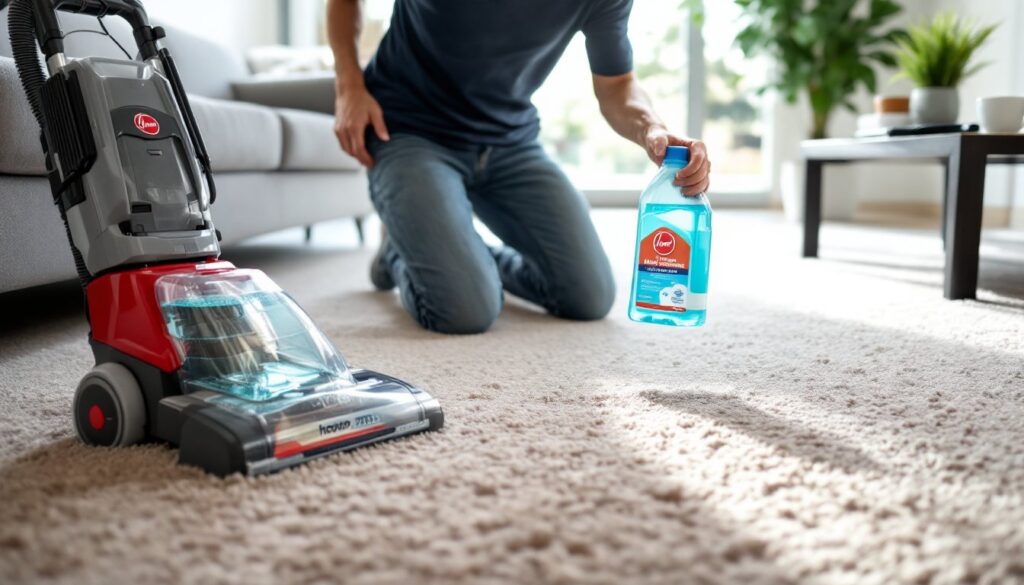
Carpets take a beating, foot traffic, pet accidents, spilled coffee, muddy paw prints. A quality carpet cleaner is only half the battle: the solution you run through it makes the difference between actually lifting grime and just spreading it around. Hoover carpet cleaner solutions are formulated to work with the brand’s extraction machines, delivering enzyme action, surfactants, and defoamers that tackle stains without leaving sticky residue. Whether you’re spot-treating a wine stain or deep-cleaning an entire living room, understanding which formula to use and how to apply it correctly will save you time, money, and repeated passes over the same stubborn spots.
Table of Contents
ToggleKey Takeaways
- Hoover carpet cleaner solutions combine surfactants, enzymes, and defoamers to break down dirt, oils, and organic stains while preventing sticky residue and excessive sudsing.
- Choose the right formula based on your needs: Renewal for everyday dirt, Paws & Claws for pet accidents, or Oxy formulas for color-based stains like wine or coffee.
- Proper application requires vacuuming first, mixing solution at the correct dilution (3-4 ounces per gallon of hot water), making slow overlapping passes, and avoiding over-wetting to prevent mold and residue buildup.
- Common mistakes like using wrong solution concentration, skipping pre-treatment, and not allowing adequate drying time lead to crunchy, re-soiling carpets that attract dirt.
- Hoover carpet cleaner solution performs best with hot tap water around 140°F, freshly mixed batches used within 24 hours, and proper machine maintenance between cleaning sessions.
- While DIY alternatives like vinegar and dish soap can work for light maintenance, commercial enzyme formulas are worth the investment for pet stains and biological soiling that homemade solutions cannot effectively treat.
What Makes Hoover Carpet Cleaner Solution Effective?
Hoover’s cleaning solutions rely on a combination of surfactants, enzymes, and pH-balanced formulas to break down dirt and oils embedded in carpet fibers. Surfactants lower the surface tension of water, allowing it to penetrate soiling more effectively. Enzymes target organic stains, think pet urine, blood, or food spills, by breaking down proteins and starches at a molecular level.
Unlike all-purpose floor cleaners, carpet-specific formulas include defoamers that prevent excessive sudsing, which can clog extraction machines and leave behind sticky residue that attracts dirt. Hoover’s solutions are designed to rinse clean with minimal passes, reducing drying time and the risk of mold growth in carpet padding.
Most Hoover formulas are also low-moisture by design, meaning they use concentrated actives that don’t require gallons of water to activate. This is critical for home carpet cleaners, which lack the vacuum power of truck-mounted commercial units. Less water in the carpet means faster drying, typically 2 to 6 hours depending on humidity and airflow, and less risk of over-wetting subfloors or seams.
Types of Hoover Carpet Cleaning Solutions Available
Hoover offers several solution lines, each tailored to specific cleaning tasks. Choosing the right one depends on carpet type, stain severity, and whether you’re doing routine maintenance or emergency spot treatment.
Hoover Renewal Carpet Cleaning Formula is the general-purpose workhorse. It handles everyday dirt, tracked-in mud, and light food stills on synthetic carpets like nylon and polyester. Coverage is roughly 100 square feet per 32-ounce bottle when diluted per label instructions.
Hoover Paws & Claws Deep Cleaning Formula is enzyme-heavy and designed for homes with pets. It neutralizes urine odor at the source rather than masking it, and the formula includes an antimicrobial agent to discourage bacterial growth in carpet padding. Use this on fresh accidents and on older set-in stains that have already been blotted.
Hoover Oxy Carpet Cleaning Solution uses oxygen-based bleaching agents (similar to OxiClean) to lift color-based stains, wine, juice, coffee, without damaging carpet dye. It’s safe for most synthetic fibers but test in an inconspicuous area first if you have wool or natural-fiber rugs.
Specialized Formulas for Different Cleaning Needs
For high-traffic commercial spaces or rental turnovers, Hoover CleanPlus Concentrated Formula offers a 2X concentrate that cuts solution cost per square foot. Dilute it at 4 ounces per gallon of hot water for standard cleaning or 6 ounces per gallon for heavily soiled areas.
Spot and stain removers come in trigger-spray bottles for targeted application. These are pre-diluted and designed for immediate use without a carpet cleaner machine. They work well on fresh spills but won’t replace a full extraction for ground-in dirt.
If you’re cleaning delicate or natural-fiber rugs, look for Hoover’s wool-safe formulas, which use gentler surfactants and avoid optical brighteners that can yellow wool over time. Always check the carpet manufacturer’s cleaning code, W (water-based), S (solvent-based), WS (either), or X (vacuum only), before applying any solution.
How to Use Hoover Carpet Cleaner Solution Properly
Misusing cleaning solution is the number-one reason DIYers end up with crunchy, re-soiling carpets. Here’s the correct process:
- Vacuum thoroughly. Remove loose dirt, hair, and debris. Running a carpet cleaner over un-vacuumed carpet just turns dry soil into mud.
- Pre-treat stains. Apply Hoover spot cleaner or a small amount of diluted solution directly to heavy stains. Let it sit for 3 to 5 minutes but don’t let it dry.
- Mix solution correctly. Most Hoover formulas call for 3 to 4 ounces of solution per gallon of hot tap water (around 140°F, not boiling). Overfilling the solution tank leads to over-sudsing and residue.
- Fill the clean water tank. Pour the diluted solution into the machine’s clean-water reservoir, not the dirty-water tank. This seems obvious but happens more than you’d think.
- Make slow, overlapping passes. Push the cleaner forward without dispensing solution, then pull back slowly while holding the trigger to spray and extract. Overlap each pass by about 50% to avoid streaking.
- Rinse if needed. For heavily soiled areas or if you used extra solution, make a final pass with plain hot water in the tank to flush out any remaining detergent.
- Ventilate and dry. Open windows, run fans, or turn on the HVAC to speed drying. Walk on the carpet as little as possible for the first 2 hours.
Safety note: Always wear nitrile gloves when handling concentrated cleaning solutions, especially enzyme or oxy formulas. Some users are sensitive to surfactants and may experience skin irritation.
DIY Alternatives: Making Your Own Hoover-Compatible Cleaning Solution
Homemade carpet cleaning solutions can save money and work in a pinch, but they come with trade-offs. Most DIY recipes lack the defoaming agents and precise pH balance of commercial formulas, which can lead to excessive suds, longer drying times, or residue buildup.
A basic DIY formula combines 1/4 cup white vinegar, 1 tablespoon liquid dish soap (Dawn or similar), and 1 gallon of hot water. The vinegar provides mild acidity to break down alkaline stains, and the dish soap acts as a surfactant. Use sparingly, too much soap will leave a film that attracts dirt.
For tougher stains, add 2 tablespoons of hydrogen peroxide (3% solution) or 1 tablespoon of oxygen bleach powder (like OxiClean) to the vinegar-soap mix. Test this on an inconspicuous area first: peroxide can lighten some carpet dyes.
Important: Avoid using ammonia-based cleaners in carpet extractors. Ammonia can damage seals and gaskets in Hoover machines, and it reacts dangerously with any residual bleach from previous cleaning. Never mix vinegar and bleach, either, doing so creates toxic chlorine gas.
DIY solutions won’t include the enzymes found in pet-specific formulas, so they’re less effective on biological stains. If you’re dealing with urine or vomit, a commercial enzyme cleaner is worth the investment. Homemade options work best for light maintenance between professional or deep cleanings.
Common Mistakes to Avoid When Using Carpet Cleaning Solutions
Over-wetting the carpet is the most frequent error. Using too much solution or making repeated wet passes without extracting properly can saturate the carpet backing and pad, leading to mold, mildew, and delamination. If water squishes underfoot after cleaning, you’ve used too much. Make additional dry extraction passes (trigger released) to pull out excess moisture.
Using the wrong solution concentration causes problems in both directions. Too little solution won’t clean effectively: too much leaves sticky residue that attracts dirt within days. Measure solution with a measuring cup or marked cap, not by eyeballing.
Skipping the pre-vacuum turns dry soil into wet mud that clogs the machine’s intake and spreads grime deeper into fibers. Always vacuum first, even if the carpet doesn’t look visibly dirty.
Not testing in a hidden area before full application can result in color bleeding or fiber damage, especially with oxy or enzyme formulas on natural fibers. Test a 2-inch square behind furniture or in a closet and let it dry completely before proceeding.
Ignoring drying time invites mold growth and foot traffic stains. Don’t walk on freshly cleaned carpet in socks or bare feet until it’s fully dry. Place aluminum foil or plastic sheeting under furniture legs if you must replace items before the carpet is completely dry to prevent rust or wood stain transfer.
Homeowners sometimes assume portable carpet cleaners require less solution because they’re smaller, but the dilution ratio stays the same. Undiluted or incorrectly mixed solutions can damage seals and leave streaky residue.
Maximizing Your Carpet Cleaner’s Performance with the Right Solution
Even the best Hoover carpet cleaner won’t perform well with the wrong cleaning solution or improper technique. Start by matching the solution to the job, enzyme formulas for biological stains, oxy formulas for color-based spills, and general-purpose solutions for routine maintenance.
Water temperature matters. Hot tap water (around 140°F) activates surfactants and enzymes more effectively than cold water, but boiling water can damage machine seals and carpet backings. If your tap doesn’t run hot enough, heat water separately and let it cool slightly before mixing.
Solution freshness affects performance. Once diluted, most carpet cleaning solutions begin to lose potency after 24 hours due to surfactant breakdown and microbial contamination. Mix only what you’ll use in one session, and discard leftovers.
Machine maintenance goes hand-in-hand with solution choice. After each use, flush the clean-water tank and hoses with plain hot water to prevent solution buildup. Remove and rinse the nozzle and brushes, checking for hair or debris. Leaving solution residue in the machine can lead to clogs, mold growth, and reduced suction on future jobs.
For homes with hard water, consider using distilled or softened water in the solution mix. Mineral deposits from hard water can reduce surfactant effectiveness and leave white streaks on dark carpets. This is especially true if you’re following cleaning hacks that recommend vinegar rinses, hard water neutralizes vinegar’s acidity.
Finally, proper storage extends solution shelf life. Keep bottles sealed, stored upright in a cool, dry location away from direct sunlight. Extreme heat or freezing can break down active ingredients and cause separation. Most Hoover solutions have a 2-year shelf life when stored correctly, but always check the expiration date before use.
If you’re tackling a whole-house deep clean and want to ensure consistent results, many home improvement guides recommend cleaning one room at a time rather than mixing large batches of solution that sit unused. This keeps your solution fresh and gives you a chance to adjust dilution or formula if early results aren’t meeting expectations.