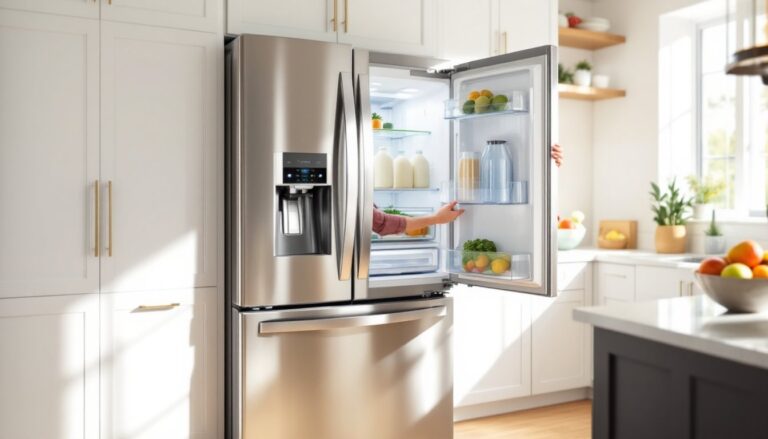
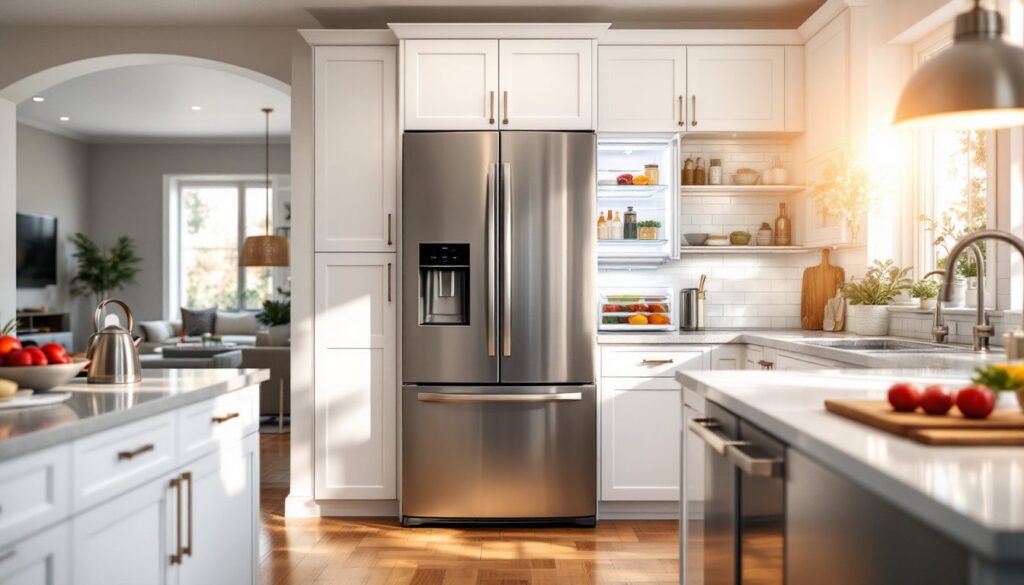
Swapping out a standard-depth refrigerator for a counter depth model transforms kitchen flow and sightlines, especially in galley layouts or open-plan homes where the fridge juts into traffic paths. Bosch counter depth refrigerators marry European design with American-friendly capacity, sitting nearly flush with cabinetry while still offering side-by-side, French-door, and bottom-freezer configurations. Unlike some trim-kitted competitors, Bosch units deliver built-in aesthetics at a freestanding price point, no cabinet modification needed in most cases. This guide walks through what sets these appliances apart, which 2026 models earn their keep, and the installation details that separate a clean install from a weekend headache.
Table of Contents
ToggleKey Takeaways
- Bosch counter depth refrigerators sit nearly flush with cabinetry at 24–25 inches deep, offering built-in aesthetics without expensive cabinet modifications or trim-kits.
- European hinge engineering and door swings up to 115 degrees set Bosch counter depth models apart, providing better access to drawers in tight kitchen spaces compared to budget alternatives.
- VitaFresh Pro compartments with independent temperature and humidity zones keep produce fresher longer than standard single-crisper designs, making storage efficiency a key advantage.
- Proper installation requires careful alcove measurements, 1 inch rear clearance for airflow, ¼-inch backward leveling, and consideration of door swing space (24+ inches in front) to avoid kitchen flow problems.
- Regular maintenance—vacuuming condenser coils every six months, quarterly gasket cleaning, and six-monthly water filter replacement—extends the lifespan of your Bosch refrigerator to 15+ years.
- Achieve a cohesive built-in look on a budget by matching stainless-steel or black stainless finishes, coordinating handles with cabinet pulls, and filling top gaps with custom filler panels.
What Makes Bosch Counter Depth Refrigerators Stand Out?
Counter depth refrigerators measure 24–25 inches from back to front (excluding handles), aligning with standard countertop overhangs instead of protruding 30+ inches like full-depth models. Bosch leans into this category with stainless-steel exteriors, VitaFresh Pro drawers that hold separate humidity zones, and MultiAirFlow systems that recover temperature faster after door openings, critical when you’re short on cubic footage and can’t afford cold-spot waste.
Bosch distinguishes itself with European hinge engineering, doors swing a full 115 degrees, giving elbow room to slide out crisper bins even when the fridge sits inches from a perpendicular wall. Compare that to budget counter-depth units with 90-degree stops that force you to crouch and wrestle produce bins. Another standout: Home Connect Wi-Fi on upper-tier models lets you toggle vacation mode or get alerts when the door’s been ajar for two minutes, useful if kids treat the fridge like a drive-through window.
Key Features and Technology
VitaFresh compartments use independent temperature and humidity controls. The low-humidity zone keeps deli meats at 34°F without freezing: the high-humidity drawer holds lettuce crisp for a week. Cheaper models lump both into one crisper with a slider that’s more placebo than engineering.
LED lighting runs along the sidewalls instead of overhead, eliminating shadows when you’re hunting for condiments. The SuperCool function drops internal temp to 34°F for four hours after a big grocery haul, preventing warm items from spiking the ambient temperature and spoiling milk.
Stainless-steel interiors on shelves and back walls resist odor absorption better than plastic: a real benefit if you store fish or pungent cheeses. Most Bosch counter depth units also feature spill-proof glass shelves with raised edges that contain leaks instead of funneling pickle juice onto lower shelves.
Noise ratings hover around 38–42 decibels, quieter than a dishwasher, comparable to a library. That matters in open kitchens where compressor hum carries into living spaces.
Top Bosch Counter Depth Models to Consider in 2026
Bosch B36CL81ENG 800 Series (36-inch French door, ~21 cu. ft.) remains the workhorse. It offers dual compressors, one for the fridge, one for the freezer, so opening the top doesn’t cycle the bottom. Expect to pay $3,200–$3,600 depending on finish (stainless or black stainless). The ice maker sits in the door, freeing up freezer real estate.
Bosch B21CT80SNS 500 Series (24-inch bottom freezer, ~11 cu. ft.) fits tight urban kitchens or secondary prep spaces. At $2,400–$2,700, it’s the entry point for Bosch build quality. The freezer drawer glides on ball-bearing rails: cheaper brands use plastic tracks that bind under load.
Bosch B36CD50SNS 300 Series (36-inch side-by-side, ~20.5 cu. ft.) appeals to households that prioritize freezer access, half the width is dedicated to frozen goods. Ice and water dispenser models add $200–$300 but require a ¼-inch copper or braided-steel water line run to the install location. If your kitchen lacks a hookup behind the fridge alcove, budget an extra $150–$250 for a plumber to tap the nearest cold-water supply.
For those prioritizing built-in refrigerator aesthetics, the B36IT905NP Benchmark Series (36-inch panel-ready French door, ~20.5 cu. ft.) accepts custom cabinet panels and handles, blending into cabinetry like a true built-in. Pricing starts at $6,500 before panel fabrication, only makes sense if you’re doing a full kitchen remodel and want zero visual breaks in the millwork.
Installation and Space Planning Tips
Measure the alcove width, depth, and height before ordering. Bosch specifies 36⅛ inches width for a 36-inch model: if your opening is 36 inches between cabinets, you’ll need a trim carpenter to plane down filler strips or the fridge won’t slide in. Leave 1 inch of clearance at the back for airflow and power-cord routing: counter depth doesn’t mean zero depth.
Check door swing clearance. A French-door model needs at least 24 inches of open space in front to fully extend crisper drawers. If an island sits 40 inches from the fridge face, you’re golden. At 30 inches, you’ll be doing the sideways shuffle every time you grab vegetables.
Electrical: Bosch fridges use a standard 15-amp, 120-volt grounded outlet. Most kitchens have a dedicated circuit behind the fridge alcove: if yours shares a circuit with countertop outlets, consider adding a dedicated line to prevent nuisance breaker trips when the microwave and fridge compressor kick on simultaneously. Consult NEC Article 210.52(B) if you’re updating wiring, some jurisdictions require GFCI protection for kitchen receptacles within six feet of a sink.
Leveling: Use a 4-foot level and adjust the front feet until the fridge tilts ¼ inch backward (front higher than rear). This bias keeps doors from swinging open on their own and helps condensation drain toward the rear pan. Bosch units have threaded feet: turn clockwise to raise, counterclockwise to lower. Don’t skimp here, unlevel fridges wear out door gaskets unevenly.
If you’re replacing a full-depth fridge, you’ll gain 6–8 inches of floor space. That’s enough to push the fridge back so handles align with counter edges, but it also means the old water line or outlet might sit too far forward. Plan to relocate the outlet 6 inches deeper into the alcove or use a recessed outlet box (Arlington DVFR1W, for example) that sits behind the fridge and doesn’t add protrusion.
Design Integration: Achieving a Built-In Look
True built-in refrigerators cost $8,000–$12,000 and require cabinet boxing: counter depth models fake the look for a third the price. The key is side-panel matching. If your fridge sits at the end of a cabinet run, add a ¾-inch plywood panel finished to match adjacent cabinets. Screw it into the fridge sidewall using #8 × ½-inch sheet-metal screws (drill pilot holes to avoid cracking the steel). This hides the plain metal side and creates continuity.
Handle coordination matters. Bosch offers handles in stainless, black stainless, and custom lengths. Match them to cabinet pulls, if you’re running 12-inch bar pulls on drawers, swap the stock fridge handles for Bosch’s HGZK3001UC or HGZK3002UC accessory handles to keep the visual rhythm.
Many DIYers overlook the top gap. Standard upper cabinets sit 18 inches above countertops: Bosch counter depth fridges stand 70–72 inches tall, leaving a 12–14 inch gap to an 8-foot ceiling. Fill this with a custom filler panel or crown molding that wraps from adjacent cabinets onto the fridge top. Secure molding with construction adhesive (PL Premium) rather than nails, you don’t want fasteners piercing the fridge top and voiding warranties.
For those interested in broader kitchen design strategies, consider flooring transitions. If you’re installing luxury vinyl plank (LVP) or tile, run it under the fridge footprint. Counter depth units often get pulled out for cleaning or service: ending flooring at the alcove edge leaves an ugly seam visible when the fridge moves. Budget an extra 6–8 square feet of material.
Maintenance and Care for Long-Term Performance
Condenser coils on Bosch counter depth models sit behind the kickplate at the bottom front. Vacuum them every six months using a crevice tool: dust buildup forces the compressor to work harder, cutting efficiency by 15–20% and shortening lifespan. Pull the kickplate off, usually held by spring clips or two screws, and you’ll see the coil fins. A coil brush (Whirlpool W10791617, around $8) reaches deeper than a vacuum alone.
Door gaskets need a wipe-down quarterly with warm soapy water. Crumbs and sticky residue prevent a tight seal, letting cold air leak. Test the seal by closing the door on a dollar bill: if you can pull it out without resistance, the gasket’s shot. Bosch sells replacement gaskets for $60–$120 depending on model: they snap into a retaining groove without tools, but warming the gasket with a hairdryer for 30 seconds makes installation easier.
Water filters (models with ice/water dispensers) need replacement every six months or 200 gallons. Bosch’s UltraClarity filter costs $50–$60: knock-offs exist but may not meet NSF 42/53 standards for chlorine and lead reduction. The filter twists out counterclockwise from inside the fridge: no need to shut off water supply.
VitaFresh drawer humidity sliders sometimes stick. Remove the drawer, rinse the slider track with warm water, and apply a tiny dab of food-grade silicone lubricant (don’t use WD-40 near food). This keeps the mechanism crisp.
If you’re tackling other home improvement projects, schedule fridge maintenance during kitchen downtime, cleaning coils while the floor’s torn up for tile work saves doubled-up effort.
Conclusion
A bosch refrigerator counter depth install delivers built-in aesthetics without custom cabinetry costs, provided you measure twice, level carefully, and match finishes to existing millwork. Focus on the details, coil maintenance, proper leveling, and door-swing clearance, and the appliance will anchor your kitchen for fifteen years. If the alcove’s tight or electrical needs rerouting, call in help: the fridge itself is straightforward, but the prep work determines whether it looks like a showroom or an afterthought.